
When you need more space at home, a conservatory can be a simpler alternative to moving. It adds natural light, creates a more flexible living area and can improve the look of your property.
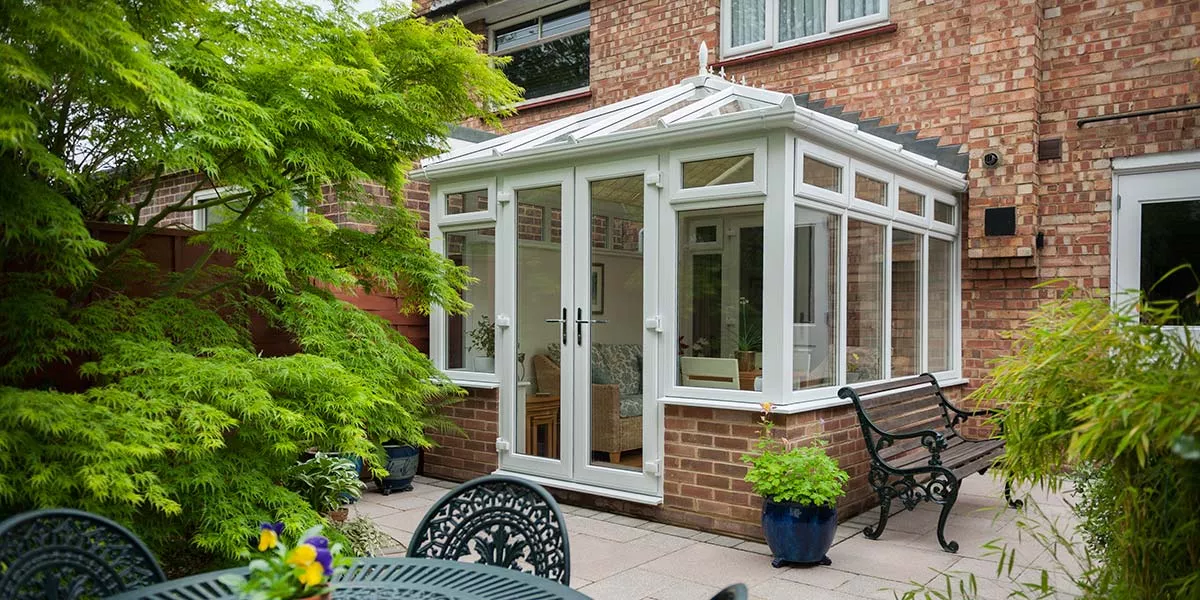
If you decide to start exploring conservatories in Yorkshire, it helps to understand the three broad categories most homeowners compare: classic, modern and bespoke.
The 3 most popular conservatory designs
Classic designs
Classic designs are a strong choice for traditional homes because they feel familiar and balanced. They usually feature generous glazing, a well-defined frame and proportions that sit comfortably alongside older property styles.
Common examples include:
- Victorian conservatories with a faceted front
- Edwardian conservatories with a square or rectangular footprint
- Lean-to conservatories with a simple, practical shape
- Gable conservatories with a taller front elevation
For many homeowners, these are the easiest types of conservatory to blend with the existing character of the house.
Modern designs
Modern designs suit homes that need a cleaner and more current finish. A modern conservatory often focuses on wider glazed areas, slim sightlines and a stronger connection to the garden.
Features often associated with this approach include:
- Larger panes of glass
- Integrated lighting pelmets
- Contemporary frame colours
- Wider door openings into outdoor space
This style works well when the aim is to brighten the rear of the property and create a more open feel.
Bespoke designs
Bespoke designs give you more control over the final layout and details. They are ideal when a standard layout does not quite suit the property, or when you want the room to serve a very specific purpose.
A bespoke route can make sense if you need an unusual footprint, a mix of traditional and modern details or a design shaped around daily family use.
What are the main conservatory shapes?
Many people asking about the different options are really comparing shapes. The layout affects how the room looks from outside and how easy it is to furnish inside.
Victorian
Victorian conservatories are known for their curved or faceted front. They bring a more decorative look and suit many period and semi-traditional homes.
Edwardian
Edwardian conservatories are popular because the squarer footprint gives you practical floor space. That makes them easier to use for dining, relaxing or everyday family life.
Lean-to
Lean-to conservatories are straightforward and versatile. Their simple roofline makes them a practical option for smaller homes, bungalows and properties where space is tighter.
Gable
Gable conservatories create a stronger sense of height. They are often chosen when homeowners want the room to feel brighter, grander and more open.
Which type of conservatory is best for your home?
The best choice depends on your property, your layout and how you want to use the room. There is no single answer, but it helps to think about function before appearance.
- Choose a classic design if you want the new space to look in keeping with a traditional home.
- Choose a modern conservatory if you prefer cleaner lines and a more open feel.
- Choose a bespoke design if standard options do not suit the property.
If you are comparing types of conservatory, start by deciding whether the room will be used mainly for dining, relaxing or general family space. That usually points you towards the right shape and level of glazing.
What is the cheapest type of conservatory?
A lean-to is often seen as the cheapest type of conservatory because the structure is relatively simple. Its straightforward roofline and uncomplicated shape can make it easier to plan and build than more decorative designs.
Even so, the cheapest option is not always the best one. The right conservatory still needs to suit your property, give you enough usable space and feel consistent with the rest of the house.
Is it better to have an extension or conservatory?
That depends on what you want the new room to do. A conservatory is often better if you want a bright space with strong garden views and a lighter, more open atmosphere.
An extension may be the better route if you want the new area to feel more like a permanent part of the original house. For many households, the decision comes down to whether natural light and garden connection matter more than a more enclosed room.
What is the 10 year rule for conservatory?
The 10 year rule usually refers to planning enforcement, not to a design standard. In general terms, if a conservatory has been in place for more than 10 years without enforcement action, it may be possible to argue that it is lawful through the passage of time.
That does not mean every older conservatory automatically complies with all requirements. Homeowners should always get property-specific advice if they need clarity on planning status or building regulations.
Key takeaways
The most popular options still fall into three broad categories: classic, modern and bespoke. From there, shapes such as Victorian, Edwardian, Lean-to and Gable help refine the final choice.
The right types of conservatory are the ones that match your home, support the way you live and create a space you will use regularly.
If you look through the conservatories section of our website, you will see a host of classic and modern styles. Some of them are on offer in our Autumn Savings promotion.